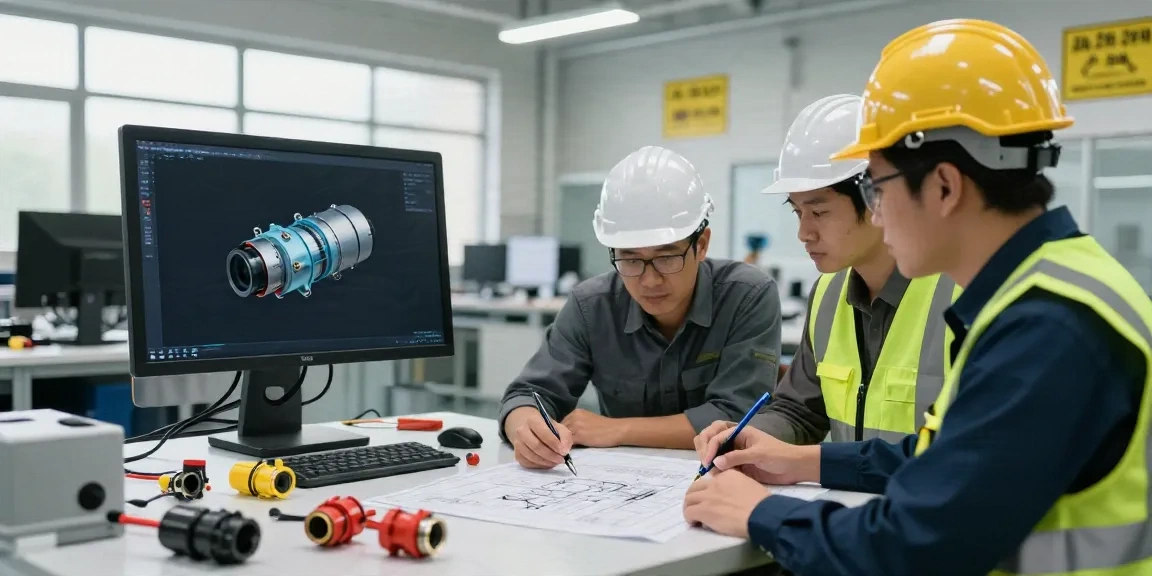
Understanding CNC Machining for Custom Stainless Steel Parts
CNC machining has revolutionized the manufacturing landscape, enabling businesses to produce custom stainless steel parts with precision and efficiency. The technology employs computer-controlled machines to automate the process of cutting, shaping, and assembling materials, primarily metals, plastics, and composites. This method incorporates various machining techniques, including milling, turning, and drilling, ensuring that each part meets exact specifications and quality standards.
Overview of CNC Machining Technologies
CNC (Computer Numerical Control) machining encompasses a variety of technologies that employ computerized systems to manage machine tools. These technologies include 3D printing, laser cutting, and water jet cutting, in addition to traditional machining processes like milling and lathe operation. Advanced CNC systems are equipped with AI-driven analytics that enhance operational efficiency, allowing for real-time adjustments based on performance metrics.
Benefits of CNC Machining for Custom Parts
- Precision: CNC machines can achieve tolerances of less than 0.01mm, making them ideal for high-stakes applications.
- Consistency: Automated processes ensure uniformity across large production runs.
- Complex Geometries: Capable of intricate designs that traditional methods may struggle to replicate.
- Reduced Waste: The precision of CNC machining minimizes material wastage.
- Flexibility: Rapid adjustments in design and production processes can be made quickly with CAD/CAM software integration.
Comparing CNC Machining with Traditional Techniques
When comparing CNC machining to traditional machining techniques, the technological advancement and efficiency of CNC stand out significantly. Traditional methods, often reliant on manual operators, require more time and expose projects to a higher risk of human error. CNC machining is equipped with numerical control systems that reduce these errors, resulting in increased reliability and shorter production times. Moreover, automation allows for 24-hour production capabilities with minimal downtime for maintenance or adjustments.
Materials Used in Custom Stainless Steel Parts Production
The selection of appropriate materials is crucial in the fabrication of custom stainless steel parts. High-quality stainless steel grades are selected for their unique properties, durability, and suitability for various industry-specific applications. Understanding these materials is essential to ensure that the final products meet the rigorous standards required in critical sectors.
Types of Stainless Steel Grades and Their Applications
There are numerous stainless steel grades available, each with distinct properties suitable for specific applications:
- Austenitic Stainless Steel (e.g., 304, 316): Known for excellent corrosion resistance and weldability, making it ideal for the food and medical industries.
- Martensitic Stainless Steel (e.g., 410, 420): Offers high strength and hardness, often utilized in tools and cutting applications.
- Ferritic Stainless Steel (e.g., 430): Known for its magnetic properties and resistance to stress corrosion cracking, typically found in automotive components.
Why Choose High-Quality Materials for CNC Machining
Investing in high-quality materials culminates in superior product longevity, performance, and safety. High grades of stainless steel ensure that parts endure oxidative environments without rapid deterioration. Furthermore, parts made from quality materials exhibit less wear over time, which is paramount in high-stakes environments like healthcare and chemical processing.
Factors Affecting Material Selection for Custom Parts
- Environmental Conditions: The operating environment will greatly influence material choice based on factors such as temperature, humidity, and exposure to chemicals.
- Mechanical Properties: Tensile strength, ductility, and hardness are pivotal properties that must align with application requirements.
- Cost: Although high-quality materials tend to be more expensive, the long-term benefits can outweigh initial expenditure.
Design Patterns for Custom Stainless Steel Parts
In the realm of CNC machining, effective design patterns are essential for successful production. Designers must utilize appropriate CAD/CAM tools to create models that can be efficiently converted into physical parts.
Best Practices in CAD/CAM for Parts Design
Utilizing advanced CAD/CAM software simplifies the transition from digital prototypes to material production. Key best practices include:
- Clear Specifications: Defining size, tolerances, and material properties within the design software helps prevent miscommunication.
- Simulation Testing: Running simulations can identify potential issues before production, saving time and resources.
- Iterative Design: Emphasizing prototyping iterations enables designers to refine features based on performance feedback.
Effective Design for Manufacturing Strategies
Designing for manufacturability (DfM) involves understanding how designs will be produced and which adjustments might streamline the process. Considerations should include:
- Geometric Simplification: Reducing part complexity can lower manufacturing costs while maintaining functionality.
- Tool Accessibility: Ensuring that CNC machinery can easily access all areas of the design minimizes processing complications.
- Minimizing Secondary Operations: Designing parts for direct machining can reduce the need for additional processes, bolstering efficiency.
Trends in Design and Engineering for 2026
As we move further into the decade, several trends in engineering and design are reshaping the manufacturing landscape:
- Integration of AI: AI-driven software aids in improving design accuracy and production efficiency by predicting outcomes and reducing errors.
- Increased Sustainability: Focus on eco-friendly materials and sustainable practices is growing, demanding innovative manufacturing methods.
- Enhanced Collaboration: Cloud-based collaborative tools are facilitating better communication among teams and stakeholders throughout the design process.
Quality Control and Precision in CNC Manufacturing
Quality control in CNC machining is a critical component ensuring that custom stainless steel parts meet stringent industry standards. Manufacturers emphasize quality through rigorous testing and monitoring of processes.
Importance of Quality Control in Custom Part Production
Quality control minimizes defects and inconsistencies in production, which is crucial depending on application requirements, especially in sectors like aerospace, automotive, and medical devices. Regular audits and inspections help maintain high standards throughout the CNC machining process.
Testing and Verification Methods for Component Reliability
Manufacturers employ several testing methods to verify the integrity and performance of CNC machined parts:
- Non-Destructive Testing (NDT): Techniques such as ultrasonic and radiographic inspections ensure that parts meet performance standards without damaging the product.
- Dimensional Inspection: Tools like coordinate measuring machines (CMM) are used to validate the precision of machined parts against design specifications.
- Functional Testing: Involves assessing parts in real-world conditions to ensure that they operate as intended.
Industry Standards for Quality in CNC Machining
Companies are often required to adhere to specific quality management standards. Recognized certifications, such as ISO 9001, provide frameworks for maintaining quality across the board. Compliance with these standards fosters trust and assures customers of the quality of the parts being produced.
Future of Custom Stainless Steel Parts within Industry Advances
As technology continues to evolve, the future of custom stainless steel parts in manufacturing appears promising, driven by advancements in CNC machining and materials science.
Innovations in CNC Machining Technology 2026
Emerging innovations to watch include:
- Hybrid Manufacturing: A combination of additive and subtractive technologies enhances part customization options.
- 5-Axis CNC Machining: This technology allows for more complex geometries and improved finishing options.
- Industry 4.0: Smart factories utilizing IoT offer real-time monitoring and adjustment of production processes, significantly enhancing operational efficiency.
The Role of Automation and AI in Manufacturing
Automation and AI are set to drive significant changes in the manufacturing landscape. These technologies contribute to predictive maintenance, supply chain optimization, and even enhance the capabilities of CNC machines through intelligent programming and autonomous decision-making.
Market Trends Impacting Custom Parts Fabrication
Several trends are shaping the market for custom stainless steel parts:
- On-Demand Manufacturing: The shift towards on-demand production reduces leads times and storage costs.
- Global Supply Chain Adjustments: Springing from the pandemic, manufacturers are revisiting supply chain strategies for enhanced resilience.
- Customization and Personalized Solutions: As companies strive to differentiate themselves, bespoke solutions become increasingly important.
FAQs about Custom Stainless Steel Parts
Where to Source Quality Custom Stainless Steel Parts?
Quality sourcing is vital in obtaining reliable parts. Manufacturers like Honscn, known for their expertise in CNC machining and stringent quality processes, provide a thorough approach to sourcing.
What Are the Cost Factors Involved in Manufacturing?
Costs can vary based on several factors, including materials, design complexity, production volume, and lead time requirements. Understanding these components can help in planning budgets effectively for custom parts.
How Long Does the Manufacturing Process Take?
The lead time for custom stainless steel parts depends on the complexity of the design and the manufacturing processes involved. Efficient planning, coupled with robust CNC machining capabilities, can expedite the process significantly.