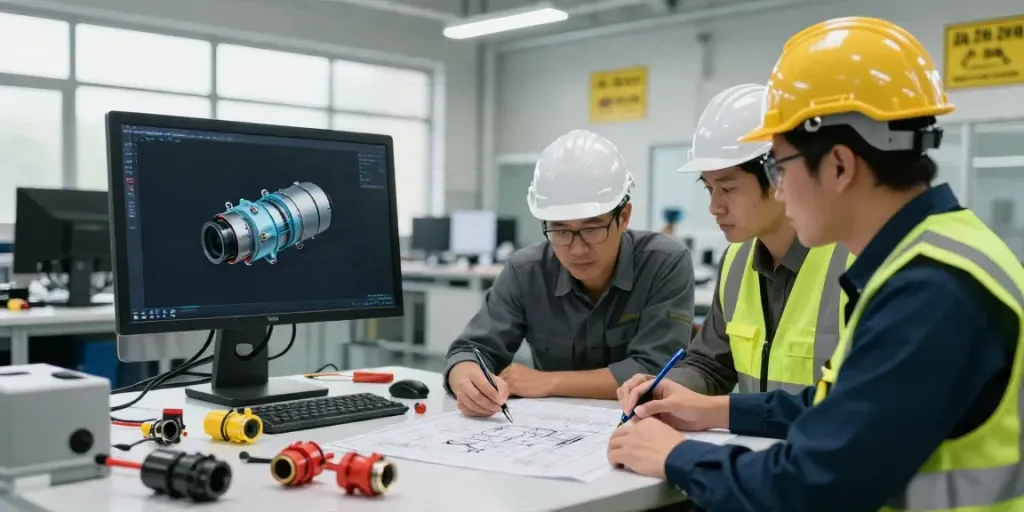
The Importance of Industrial Power Connectors in Modern Manufacturing
Industrial power connectors are critical components in the manufacturing landscape, facilitating the safe and efficient transfer of electricity to a vast array of machinery and equipment. As industries continue to evolve rapidly, the demand for reliable and high-performance electrical connections has become more significant than ever. Whether in factories, construction sites, or laboratories, the ability to establish secure connections between equipment can influence operational efficiency and safety protocols. This makes the choice of industrial power connectors not just a matter of convenience, but a fundamental aspect that can impact the bottom line of any organization.
When exploring options, industrial power connectors provide comprehensive insights into various solutions available to meet industrial needs. These connectors are designed to handle higher voltages, currents, and extreme environmental conditions that are typical in industrial settings.
Understanding Industrial Power Connectors
Industrial power connectors are specialized connectors designed for high-power applications. They are constructed to meet rigorous industrial standards, ensuring reliability and safety. These connectors can withstand environmental stressors such as moisture, dust, and extreme temperatures, which are common in many industrial settings. This resilience is crucial, as failure in electrical connections can lead to severe operational disruptions, safety hazards, and costly downtime.
Types of industrial power connectors include IEC connectors, commonly used in Europe, and NEMA connectors, prevalent in North America. Understanding the specifications and ratings of these connectors is essential for selecting the right type for specific applications.
Key Applications Across Industries
Industrial power connectors are employed across various sectors, including:
- Manufacturing plants
- Automotive assembly lines
- Telecommunications equipment
- Heavy machinery and construction
- Medical and laboratory applications
Each industry has unique demands and challenges; hence, the connectors used are also tailored to meet these specifications. In manufacturing, for instance, connectors must facilitate quick disconnects for machinery maintenance, while in the medical field, connectors need to ensure stringent compliance with safety regulations.
Benefits of Using Quality Connectors
Using high-quality industrial power connectors yields numerous advantages, including:
- Safety: Quality connectors are designed to mitigate risks of shorts and electrical fires.
- Durability: Robust connectors last longer, reducing the need for frequent replacements and maintenance.
- Efficiency: High-performance connectors improve power delivery, enhancing the operation of connected devices.
- Flexibility: Custom solutions are often available to meet specific industry needs.
Types of Industrial Power Connectors
Common Variations and Their Uses
The market is flooded with various types of industrial power connectors, each offering unique functionalities. Some common variations include:
- IEC Connectors: Used extensively in Europe, these connectors are standard for household and professional equipment.
- NEMA Connectors: Primarily used in North America, these are designed for higher voltage applications in industrial setups.
- Panel-Mount Connectors: These connectors are fixed onto the equipment, allowing for a secure connection without the need for manual handling during operations.
- Socket-Outlets: Facilitate connection points for multiple devices, allowing easier access to power in manufacturing setups.
The selection of the right type of connector often depends on the specific application and environment in which it will be used.
Differences Between IEC and NEMA Connectors
IEC and NEMA connectors differ primarily in design and application standards. IEC connectors tend to follow international standards, making them suitable for various global applications, while NEMA connectors are tailored for North American specifications. Understanding these differences is critical for ensuring compatibility and compliance in global business operations.
Choosing the Right Connector for Your Needs
Selecting the right industrial power connector requires careful consideration of several factors:
- Voltage and Current Ratings: Ensure that the chosen connector can handle the operational requirements.
- Environmental Conditions: Consider factors like moisture, dust, and temperature that may affect the performance of the connector.
- Application Compatibility: Verify that the connector meets the specific requirements of your machinery or equipment.
Best Practices for Choosing Industrial Power Connectors
Evaluating Connector Specifications
Before making a purchase, it is crucial to evaluate the specifications of the connectors. This involves reviewing the ratings for voltage, current, and environmental tolerances. Consulting with a trusted supplier or manufacturer can provide valuable insights into the most suitable options.
Understanding Ratings and Certifications
Industrial power connectors must meet specific safety and performance certifications, including UL, CE, and RoHS. These certifications ensure that the connectors adhere to international safety and environmental standards, thereby providing peace of mind when integrating them into electrical systems.
Incorporating Custom Solutions for Unique Applications
For industries with specific needs, custom connectors may be necessary. Engaging with manufacturers that offer custom engineering services can result in connectors tailored to your exact specifications, enhancing performance and reliability.
Installation and Maintenance of Industrial Power Connectors
Step-by-Step Installation Guide
Proper installation is vital for ensuring the reliability of industrial power connectors. Follow these steps for a successful installation:
- Turn off all power sources to prevent electrical shock.
- Identify and prepare the installation site, ensuring it meets environmental requirements.
- Connect the wires to the appropriate terminals according to the manufacturer's guidelines.
- Secure all connections and ensure proper strain relief on cables.
- Conduct a thorough test to ensure that all connections are secure and operational.
Common Installation Mistakes to Avoid
To ensure longevity and reliability, avoid the following common installation mistakes:
- Neglecting to read the manufacturer's manual.
- Using incorrect wiring techniques that may lead to shorts or failures.
- Forgetting to secure connections properly, which can lead to loose fittings.
Routine Maintenance for Long-term Reliability
Routine maintenance is essential for ensuring that connectors continue to operate reliably. Regular inspections should be conducted to check for signs of wear, corrosion, or damage. Keeping connectors clean and free from contaminants can significantly prolong their lifespan, reducing downtime and repair costs.
Future Trends in Industrial Power Connectors
Emerging Technologies and Innovations
As the industrial landscape evolves, new technologies will continue to influence connector design. Developments in materials science and microelectronics are likely to lead to connectors that are not only more efficient but also capable of supporting higher power and data demands.
Impact of Automation on Connector Design
The rise of automation in industries is pushing manufacturers to design connectors that can accommodate automated systems and robotics. Future connectors will likely feature enhanced interoperability and smart capabilities that can communicate system statuses or alerts, further contributing to operational efficiency.
Predictions for the Industry in 2026 and Beyond
By 2026, the industrial power connector industry is expected to experience significant growth, driven by advancements in technology and increasing demand for reliable and efficient power solutions. The integration of IoT and smart technology into industrial applications will further enhance the need for innovative connector solutions.
What are the different types of industrial connectors?
Industrial connectors come in various types, including power connectors, data connectors, and signal connectors, each designed for specific functionalities and applications.
What are industrial plugs called?
Industrial plugs are often referred to as industrial connectors or power connectors. These are designed for heavy-duty applications and ensure secure connections in challenging environments.
What are the different types of industrial electrical plugs?
Different types include IEC plugs, NEMA plugs, panel-mount plugs, and locking connectors, each serving diverse applications across industries.
What are the different types of power connectors?
Power connectors are categorized based on their design and application specifications, including standard plugs, industrial connectors, and custom configurations for unique needs.
How do I choose the right industrial power connector?
Choosing the right connector involves assessing voltage ratings, current requirements, environmental factors, and compatibility with existing systems. Consulting with experts can also facilitate this process.