Understanding Smart Home Technologies
As the landscape of modern living continues to evolve, the rise of smart home technologies has transformed how we interact with our environments. What was once a futuristic concept is now an accessible reality, offering convenience, security, and energy efficiency to homeowners. With just a few clicks, you can turn your house into a smart home equipped with a range of devices that enhance your daily living experience. For those looking to explore these innovations, جهان اسمارت provides comprehensive insights into the latest products and solutions in this burgeoning field.
What is Smart Home Automation?
Smart home automation refers to the technology that enables remote management and monitoring of home systems and devices through the internet. This includes everything from lighting and temperature control to security systems and entertainment devices. Smart home automation empowers homeowners to make real-time adjustments to their living spaces, often from their smartphones or other devices, creating a seamless and user-friendly experience.
Key Components of Smart Home Systems
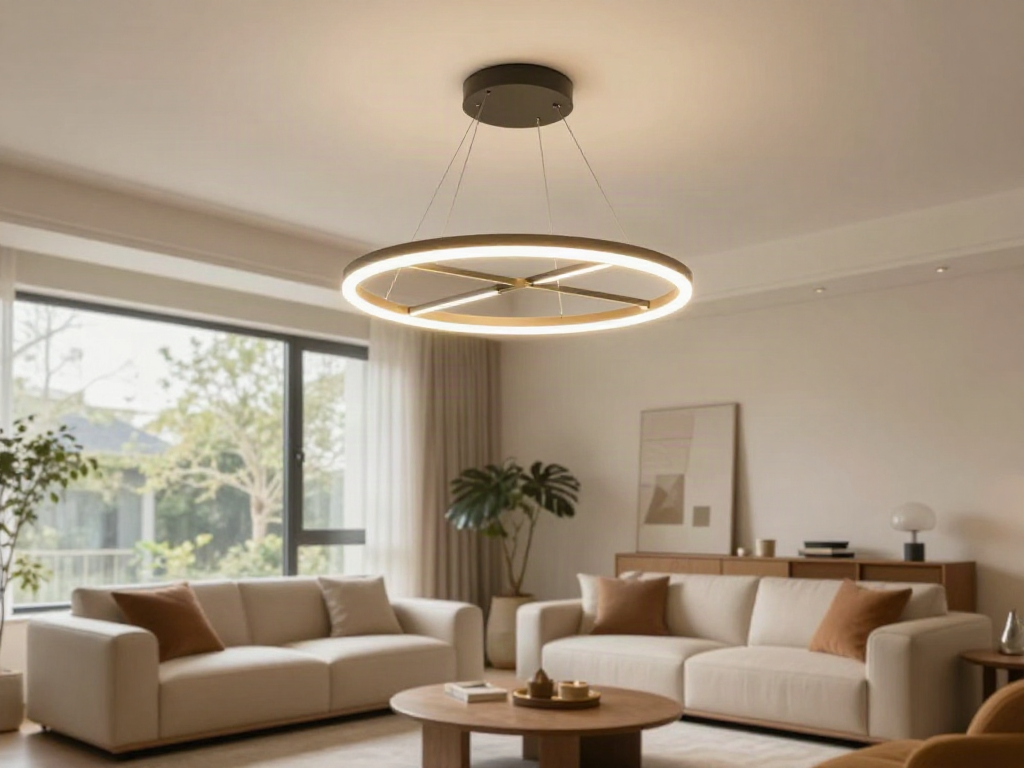
- Smart Lighting: Control lighting remotely or set schedules to enhance security and reduce energy use.
- Smart Thermostats: Optimize heating and cooling systems, learning preferences to save on energy bills.
- Security Systems: Includes smart locks, cameras, and alarms that can be monitored from anywhere.
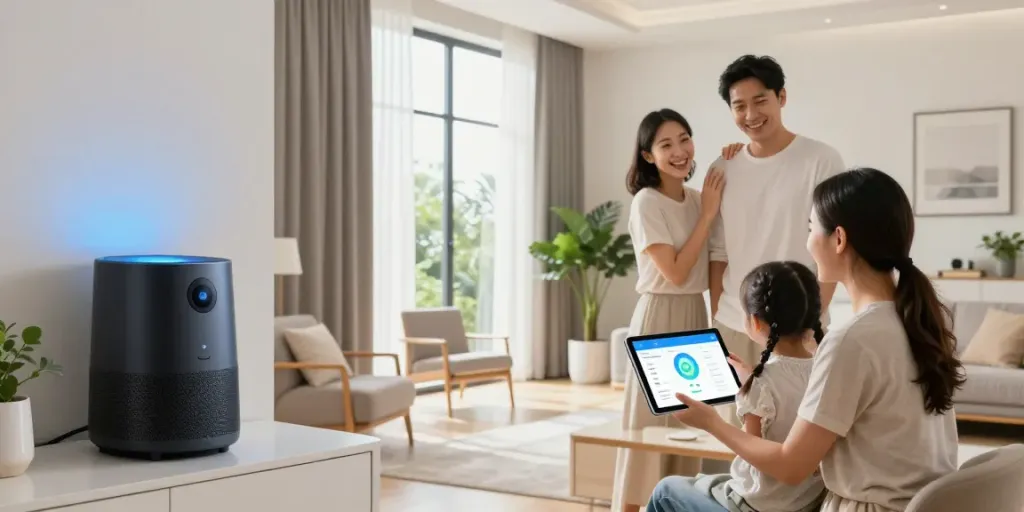
- Smart Speakers and Audio Systems: Integrate sound systems for a more immersive experience, often controlled by voice commands.
- Smart Appliances: From refrigerators to washing machines, these appliances offer enhanced features for convenience.
Benefits of Implementing Smart Technologies
The shift towards smart home systems offers numerous benefits, including:
- Convenience: Automation simplifies daily tasks, allowing users to control devices from anywhere.
- Energy Efficiency: Smart devices can help reduce unnecessary energy consumption, leading to lower utility bills.
- Enhanced Security: Real-time monitoring and alerts improve home security.
- Increased Comfort: Customized settings for lighting and temperature create a more enjoyable living experience.
- Property Value: Adding smart features can increase the desirability and value of your home.
Evaluating Costs of Smart Home Solutions
Understanding the financial aspect of smart home technologies is crucial for potential buyers. The initial investment might seem daunting, but it’s important to assess the long-term savings and benefits associated with these systems.
Initial Investment vs. Long-Term Savings
The upfront costs of smart home devices can range from a few hundred to several thousand dollars, depending on the sophistication of the system. However, many users find that the energy savings, increased security, and added convenience lead to significant long-term savings that outweigh initial expenses.
Cost Breakdown of Common Smart Devices
Here's a general breakdown of expected costs for popular smart home devices:
- Smart thermostats: $100 - $300
- Smart lighting: $10 - $50 per bulb
- Smart locks: $100 - $300
- Smart speakers: $50 - $400
- Smart security cameras: $100 - $500
Understanding Installation and Setup Fees
Installation costs can vary widely based on the complexity of the system being installed. While some devices offer DIY setups, professional installation may be required for more integrated systems, leading to installation fees ranging from $100 to $1,000 or more.
Choosing the Right Smart Home Devices
With a plethora of brands and devices available, selecting the right smart home products can be overwhelming. It’s essential to match devices to your specific needs and home capabilities.
Popular Brands and Their Offerings
- Amazon Echo: Renowned for voice-activated smart assistants and smart home ecosystem integration.
- Google Nest: Offers smart thermostats and home security devices, known for their user-friendly interfaces.
- Philips Hue: A leader in smart lighting solutions with a wide range of products.
- August: Focuses on smart door locks that allow keyless entry and remote access.
Comparative Analysis of Features
When evaluating smart home devices, consider factors such as compatibility, features, user interface, customer support, and price. Reading reviews and seeking recommendations can also provide valuable insights.
How to Match Devices to Your Needs
Start by identifying which areas of your home you wish to automate. Consider factors such as family size, lifestyle, and budget. This will help you prioritize which devices to implement first, ensuring that your smart home setup aligns with your daily routine.
Installation and Maintenance Considerations
A well-planned installation and ongoing maintenance are crucial components in maximizing the benefits of your smart home technology. Understanding your options can save time and money in the long run.
DIY vs. Professional Installation Pros and Cons
While some homeowners may find DIY installation appealing, it can sometimes lead to unforeseen complications. Professional installation ensures that devices are set up correctly, often providing warranties and support, although it does come at an increased cost.
Common Maintenance Challenges
Smart home systems can require updates and troubleshooting. Common issues include device connectivity problems, firmware updates, and battery replacements for wireless devices. Regular maintenance checks can help in identifying issues before they become significant problems.
How to Ensure Longevity of Smart Devices
To prolong the lifespan of your smart devices, it’s essential to follow manufacturer guidelines for updates, cleaning, and physical handling. Avoid placing devices in areas where they may be exposed to extreme temperatures or moisture, which can harm functionality over time.
Future Trends in Smart Home Technology for 2026
As smart home technology continues to evolve, several trends are set to shape the future of home automation. Staying informed about these developments can help you make strategic decisions regarding your own smart home investments.
Emerging Innovations in Home Automation
Future innovations may include the integration of more advanced AI systems that allow for predictive analytics in home management. This could lead to systems that learn and adapt to individual home life patterns with minimal input.
Predictions for Smart Home Expansion
Market analysts predict that smart home technology will become increasingly affordable, leading to greater adoption rates among consumers. As standard home features, these technologies will be expected in new constructions.
Impact of AI and IoT on Home Management
The integration of AI and the Internet of Things (IoT) will offer more seamless, intuitive interactions between users and their home systems. For example, voice-activated virtual assistants could oversee entire smart home functionalities with enhanced capabilities.