Understanding the Mini Split AC System
As the demand for energy-efficient climate control solutions rises, the mini split ac system has become increasingly popular among homeowners and business owners alike. These systems offer an elegant way to heat and cool spaces without the need for traditional ductwork, making them an appealing choice for many. In this article, we'll explore the fundamentals of mini split AC systems, their advantages, installation considerations, maintenance practices, and emerging trends in technology. Understanding these elements will empower you to make informed decisions regarding your HVAC needs.
What is a mini split AC system?
A mini split AC system, often referred to as a ductless mini split, is a type of heating and cooling system that consists of two main components: an indoor air handling unit and an outdoor condenser unit. Unlike traditional air conditioning systems, which rely on extensive ductwork to distribute conditioned air, mini splits operate on a more efficient principle of direct temperature control in specific zones or rooms. This design allows for greater flexibility in installation and operation, making them suitable for various applications, from single-family homes to commercial spaces.
Components and functionality of mini split systems
At the heart of a mini split AC system are its key components:
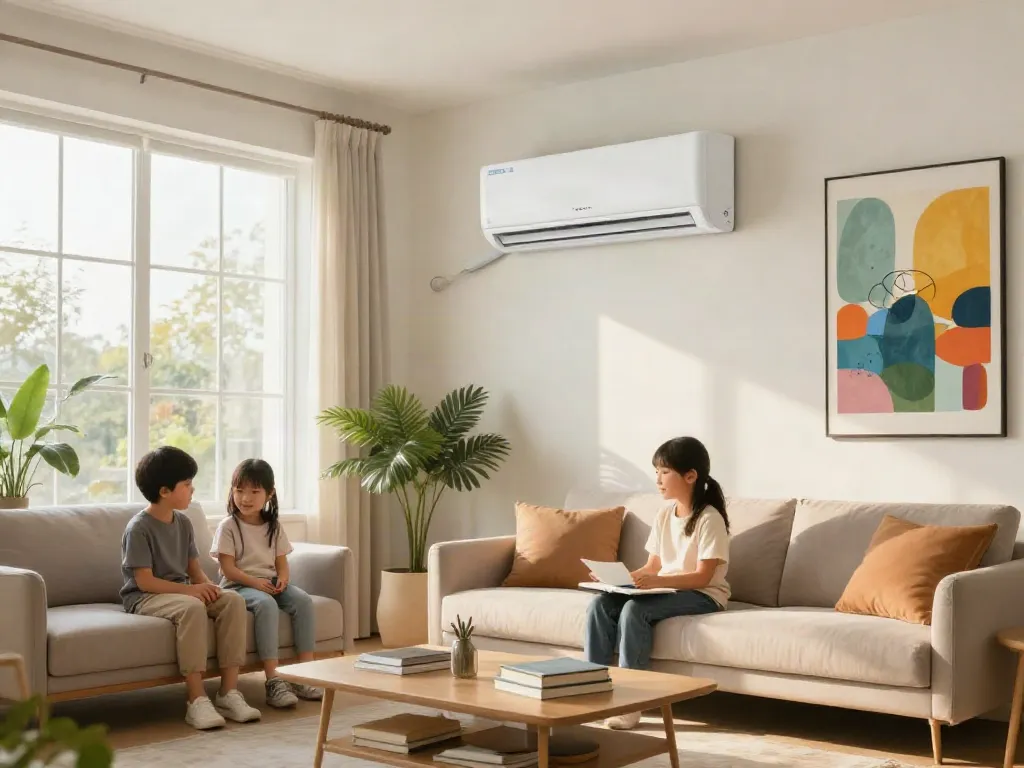
- Indoor Unit: This unit is installed on the wall or ceiling of the space being conditioned. It contains the evaporator coil and a fan that circulates air throughout the room.
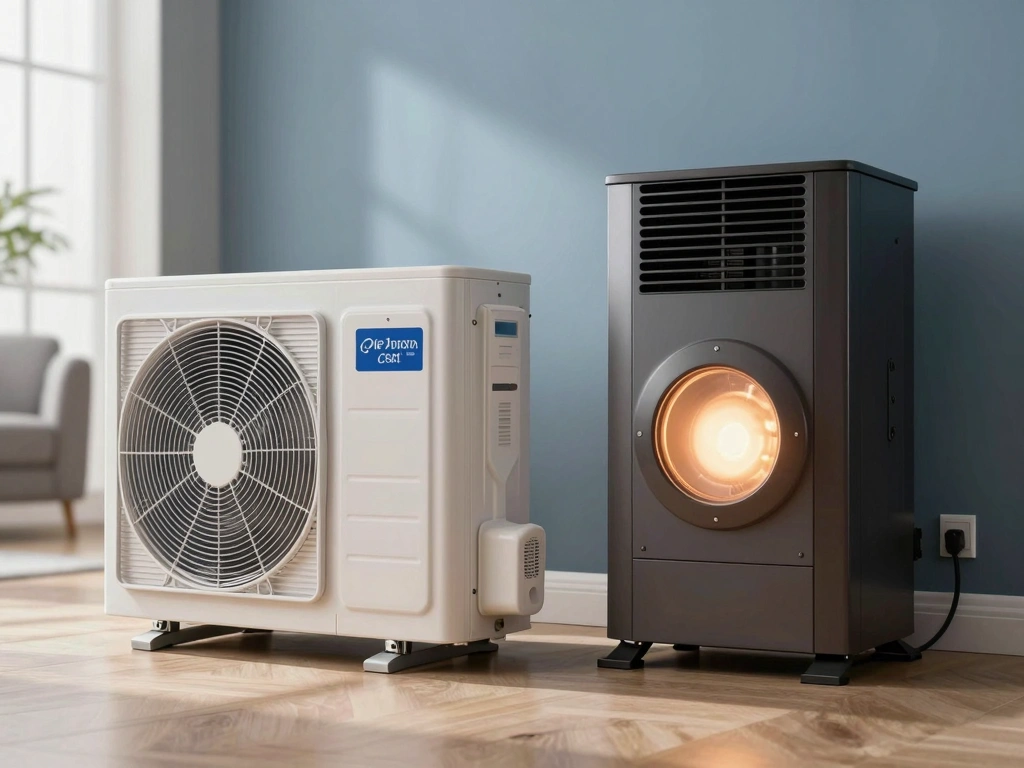
- Outdoor Unit: The outdoor unit houses the compressor and condenser coil. This component is typically mounted on the ground or a wall bracket outside the building.
- Refrigerant Lines: Connecting the indoor and outdoor units, these insulated lines carry refrigerant, facilitating the heat exchange process.
- Remote Control or Wall-Mounted Thermostat: Users can adjust settings such as temperature and fan speed from the comfort of their living space.
In operation, mini splits utilize refrigerant to absorb heat from inside the home and release it outdoors during the cooling process, and conversely, they can draw heat from the outdoor air to warm the interior during colder months. This remarkable versatility is a significant factor in their rising popularity.
Common misconceptions about mini split systems
Despite their growing acclaim, several misconceptions about mini split AC systems persist. One common myth is that mini splits are excessively noisy; however, modern units are designed to operate quietly and often produce less noise than conventional HVAC systems. Additionally, some consumers might believe that mini splits are only suitable for smaller spaces, but in reality, they come in various capacities, making them effective for both residential and commercial settings. Lastly, some people may think that installation requires extensive renovations; on the contrary, mini splits are relatively easy to install, often requiring only minimal wall drilling.
Advantages of Installing a Mini Split AC System
Energy efficiency benefits of mini split systems
One of the primary advantages of mini split AC systems is their exceptional energy efficiency. These systems often achieve higher Seasonal Energy Efficiency Ratios (SEER) compared to traditional central air systems. By allowing for zoned cooling and heating, mini splits can significantly reduce energy consumption, as homeowners can condition only the areas in use rather than the entire house. This efficiency not only translates into lower utility bills but also contributes to a reduced carbon footprint.
Space-saving designs and installation flexibility
Mini split systems offer unparalleled flexibility in terms of installation. Since they do not require ductwork, they can be installed in spaces where traditional HVAC systems would be impractical. The indoor units are compact and can be mounted in various locations, including walls, ceilings, and floors, allowing homeowners to optimize their use of space. This adaptability makes mini splits ideal for renovations, additions, and smaller homes or apartments where space is at a premium.
Quiet operation and comfort customization
Many homeowners value the quiet operation of mini split systems. Unlike conventional systems, which can produce significant noise during operation, mini splits are designed to operate more silently, enhancing indoor comfort. Furthermore, the ability to set different temperatures in different zones allows for personalized comfort, ensuring that each occupant can enjoy their preferred temperature without affecting others in the home.
Installation Considerations for Homeowners
Choosing the right size mini split AC system
Proper sizing is crucial when selecting a mini split system to ensure optimal performance. An undersized unit will struggle to cool or heat a space effectively, while an oversized unit may cycle on and off too frequently, leading to increased wear and reduced efficiency. To determine the appropriate size, homeowners should consider the square footage of the space, ceiling height, insulation quality, and the number of windows or doors. Consulting an HVAC professional can assist in making this determination.
Professional installation vs. DIY options
While some homeowners may consider installing a mini split system themselves, professional installation is often recommended to ensure that the system operates efficiently and meets local building codes. A certified technician can handle the intricate aspects of the installation, such as refrigerant charging and electrical connections, reducing the risk of costly mistakes. However, DIY options are available for those who are handy and willing to invest the time in learning the installation process.
Cost factors and budgeting for installation
Costs for installing a mini split AC system can vary widely based on factors such as the number of indoor units required, the complexity of the installation, and any additional features like smart thermostats. On average, homeowners can expect to pay between $3,000 and $7,000, including equipment and labor. Establishing a clear budget beforehand and discussing options with potential contractors can help homeowners avoid unforeseen expenses and ensure they make a well-informed investment.
Maintenance Best Practices for Mini Split Systems
Essential maintenance tasks and frequency
Regular maintenance is key to prolonging the lifespan and efficiency of a mini split AC system. Essential tasks include:
- Cleaning or replacing air filters every 1-3 months.
- Inspecting and cleaning the condenser coils annually to remove dirt and debris.
- Checking the drainage lines for blockages to prevent water damage.
- Scheduling professional maintenance once a year to ensure optimal performance and address any potential issues.
By adhering to these maintenance practices, homeowners can enhance the reliability and efficiency of their systems.
Signs your mini split AC system needs servicing
Homeowners should be vigilant for signs that their mini split system may need servicing. Common indicators include:
- Decreased cooling or heating performance
- Strange noises, such as grinding or hissing
- Unpleasant odors emanating from the unit
- Increased energy bills without a change in usage
If any of these symptoms arise, it is advisable to consult a professional technician promptly to diagnose the issue and carry out necessary repairs.
DIY tips for keeping your system running smoothly
In addition to scheduled maintenance, homeowners can take proactive steps to keep their mini split systems running efficiently. Regularly checking and cleaning the filters, ensuring the area around the outdoor unit is clear from obstructions, and monitoring refrigerant levels can prevent common issues. Furthermore, homeowners should familiarize themselves with the system's manual for specific operational guidelines and troubleshooting tips.
Future Trends in Mini Split Technology
Innovations in energy efficiency for 2026 and beyond
As technology continues to evolve, the mini split AC systems of the future are expected to embrace even greater energy efficiency. Manufacturers are exploring advanced inverter technology and improved refrigerants that can enhance performance while reducing environmental impact. Innovations like variable refrigerant flow (VRF) systems may become more commonplace, allowing for precise control over multiple indoor units from a single outdoor compressor.
Integration with smart home technology
The integration of smart home technology is another trend shaping the future of mini split systems. Features such as Wi-Fi connectivity and compatibility with smart thermostats will enable homeowners to control their HVAC systems remotely and optimize energy usage based on their routines. This shift towards automation not only enhances comfort but also allows for better energy management and savings.
Market predictions for mini split systems
Industry analysts predict that the market for mini split systems will continue to grow in the coming years, driven by increasing demand for energy-efficient solutions and the rising popularity of home renovation projects. As more homeowners seek alternatives to traditional HVAC methods, mini splits may become the preferred choice for both residential and commercial climate control applications.
What are the downsides of a mini split AC system?
While mini split systems offer numerous advantages, they are not without drawbacks. One notable concern is the initial cost of installation, which can be higher than traditional systems. Additionally, some homeowners may find the aesthetics of wall-mounted indoor units unappealing. Lastly, if not installed or maintained correctly, mini splits can develop issues that may require professional intervention.
What is the typical cost of installing a mini split system?
The cost of installing a mini split system can vary significantly based on various factors, including the number of zones, complexity of installation, and brand. On average, homeowners should budget between $3,000 and $7,000, but those costs can fluctuate based on specific project requirements.
Why is my electric bill so high with mini split?
If homeowners notice elevated electric bills after installing a mini split system, it may be due to several factors. Common causes include improper sizing of the system, inefficient usage patterns, or lack of maintenance. Conducting regular checks and optimization can help manage energy consumption effectively.