Understanding AI Data Centers
As artificial intelligence continues to revolutionize industries, the demand for specialized infrastructure is skyrocketing. AI data centers play a crucial role in this landscape, providing the essential computing power necessary to train and deploy AI models effectively. These facilities are distinct from traditional data centers, focusing on high-density computing requirements to manage complex AI workloads. By understanding how these powerhouses operate and their significance in the AI token economy, participants can engage more effectively with emerging technology and its economic implications. When exploring options, AI data center infrastructures offer insights into integrating power and computing seamlessly.
What is an AI Data Center?
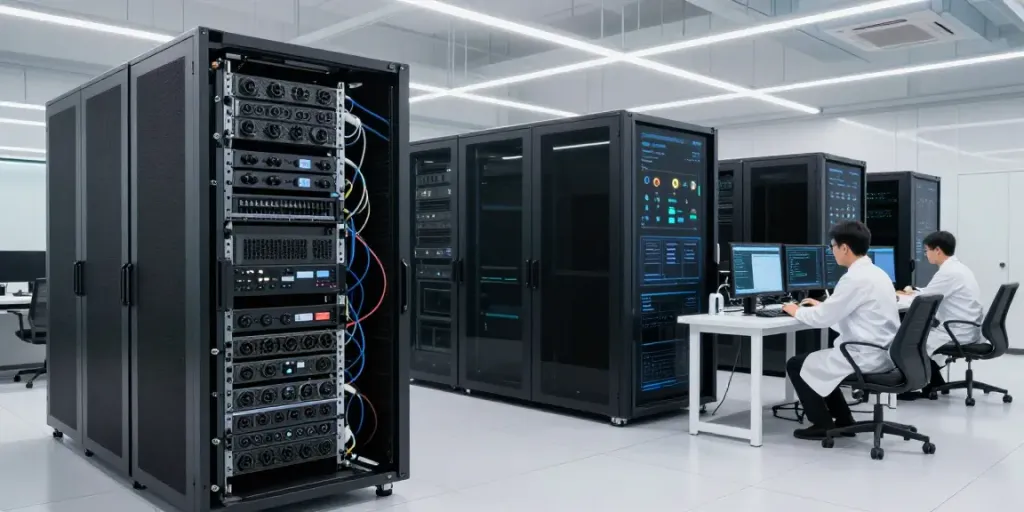
An AI data center is a specialized facility designed to handle the unique requirements of artificial intelligence workloads. Unlike conventional data centers primarily focused on storage and all-purpose computing, AI data centers are equipped with high-performance hardware such as Graphics Processing Units (GPUs) and optimized for AI tasks, including training large neural networks and processing vast datasets. These facilities are tailored to meet the rigorous demands of deep learning and machine learning applications, ensuring reliable and efficient operations.
The Role of Power in AI Infrastructure
Power is a critical element in the functioning of AI data centers. The immense computational capabilities required for AI applications lead to substantial power consumption. This energy is vital not only for sustaining the hardware but also for managing and cooling systems that operate under intense loads. Efficient power management strategies can significantly reduce operational costs and environmental impact, making the integration of renewable energy sources more appealing. The transition towards greener energy solutions is essential for these infrastructures aimed at sustainability.
Comparing AI Data Centers and Traditional Data Centers
AI data centers differ from traditional data centers in several key aspects:
- Hardware Requirements: AI data centers utilize high-density GPU setups optimized for AI processes, while traditional centers rely more on CPUs for general-purpose tasks.
- Energy Consumption: The operational demands of AI workloads result in higher energy consumption, necessitating specialized power management systems.
- Cooling Solutions: Given the heat generated by high-performance computing, AI data centers implement advanced cooling technologies, which is less critical in conventional setups.
- Operational Complexity: AI workloads often require more complex data handling and processing strategies compared to standard data storage and retrieval tasks in traditional facilities.
Power Plans and Participation
Engaging with AI data centers necessitates an informed approach to power plans and the accompanying participation models. Various types of power plans allow individuals and enterprises to contribute to the infrastructure that supports AI services. Understanding these options is essential for maximizing participation in the growing AI ecosystem.
Types of AI Infrastructure Power Plans
There are typically several tiers of power plans catering to different usage levels and participant needs:
- Core Power Access: This plan serves as a foundational option for individuals new to AI infrastructure, allowing minimal power support.
- Enhanced Power Access: A step up from the core plan, this option offers increased power availability and potential rewards.
- Advanced Power Access: Tailored for those with significant participation needs, this plan fuels high-demand AI operations.
- Professional Power Scale: For enterprises needing extensive resources, this plan provides robust support for large-scale operations.
How to Choose the Right Power Plan
Selecting the appropriate power plan hinges on several factors:
- Usage Requirements: Assess the anticipated computing needs and workloads your AI applications will generate.
- Budget Considerations: Evaluate the costs associated with each plan, including potential rewards and operational expenses.
- Duration of Commitment: Determine how long you plan to engage with the AI infrastructure and select a plan that aligns with your goals.
Understanding Contribution Rewards
Participation in AI infrastructure through power plans typically involves a reward system based on the power contributions made by participants. Understanding how these rewards are calculated fosters transparency and encourages active engagement:
- Electricity Supported: Each plan records the amount of electricity it supports, directly influencing the level of rewards.
- Token Measurement: AI operations utilize tokens to measure usage; understanding this metric can enhance strategies for maximizing rewards.
- Performance Tracking: Regularly reviewing performance metrics allows for informed adjustments to participation strategies.
The Impact of AI Data Centers on the Environment
As AI continues to integrate into everyday applications, the environmental impact of AI data centers is a growing concern. Addressing energy efficiency and carbon footprint management are vital steps toward sustainable practices.
Energy Efficiency in AI Data Centers
Energy efficiency can be significantly improved through innovative technologies and practices:
- Dynamic Power Management: Smart grids and flexible energy consumption models can optimize power use in real-time.
- Advanced Cooling Solutions: Implementing liquid cooling and free-air cooling systems can dramatically reduce energy use.
- Renewable Energy Integration: Transitioning to solar and wind energy sources ensures lower carbon emissions and enhances sustainability.
Managing Carbon Footprint
Strategizing to minimize carbon footprints involves:
- Carbon Offsetting: Engaging in initiatives that compensate for emissions through reforestation or renewable energy projects.
- Energy Audits: Regular assessments of energy consumption can identify areas for improvement and efficiency gains.
- Compliance with Regulations: Adhering to local and national environmental standards ensures responsible operation.
Future Sustainability Practices
Looking ahead, sustainability practices in AI data centers could evolve to include:
- Circular Economy Models: Emphasizing resource conservation through recycling and reuse of components.
- Community Engagement: Collaborating with local communities to create awareness and support sustainability initiatives.
- Innovative Energy Solutions: Continuing to explore advancements in energy storage and green technologies.
Technological Advancements in AI Data Centers
The landscape of AI data centers is rapidly evolving, driven by emerging technologies that enhance power management, cooling systems, and resource allocation. Staying informed about these trends is crucial for participants in the AI token economy.
Emerging Technologies in Power Management
Technological advancements play a pivotal role in optimizing power management through:
- AI-Driven Analytics: Employing AI to predict and optimize energy usage can significantly enhance operational efficiency.
- Smart Metering: Utilizing IoT devices to monitor and manage energy consumption provides real-time insights.
- Blockchain for Energy Tracking: Implementing blockchain technology ensures transparency in energy transactions and usage.
Innovations in Cooling Systems
Recent innovations in cooling systems are crucial for maintaining operational efficiency in AI data centers:
- Immersion Cooling: Submerging servers in thermally conductive liquids can drastically improve cooling efficiency.
- AI-Based Cooling Optimization: Leveraging AI to control cooling systems can minimize energy consumption while maintaining optimal conditions.
AI-Driven Resource Allocation
AI technologies assist in optimizing resource allocation by:
- Predictive Analysis: Forecasting demand for computing resources allows data centers to allocate power and processing more effectively.
- Dynamic Load Balancing: Adjusting workloads in real-time ensures that resources are used efficiently across the network.
Future Trends and Challenges in AI Data Infrastructure
Looking to the future, several trends and challenges will shape AI data infrastructure development. Understanding these factors is key for stakeholders engaged in the AI token economy.
Predictions for AI Data Center Development by 2026
Experts predict that by 2026, AI data centers will increasingly focus on:
- Decentralization: Shifting towards distributed models to enhance resilience and reduce latency.
- Hybrid Architectures: Combining on-premises and cloud resources for flexibility and scalability.
- Enhanced Security Measures: Implementing advanced cybersecurity protocols to protect sensitive data.
Potential Obstacles in Adoption and Implementation
Despite advancements, challenges may include:
- High Capital Investment: Building and maintaining AI data centers require significant financial commitment.
- Streamlined Regulations: Navigating regulatory frameworks can hinder the deployment of AI infrastructures.
- Talent Shortage: The demand for skilled professionals in AI and data center operations may outstrip supply.
Strategic Solutions to Overcome Challenges
To navigate these challenges effectively, stakeholders can employ strategies such as:
- Partnerships: Collaborating with technology providers and educational institutions to foster talent development.
- Government Engagement: Actively participating in dialogue to address regulatory concerns and promote supportive policies.
- Investment in Research: Funding research initiatives focused on improving AI technologies and data center efficiencies.