Understanding BMW Timing Chain Basics
The timing chain is a critical component in BMW engines that plays a vital role in synchronizing the movement of the engine’s valves with the rotation of the crankshaft. Unlike timing belts, timing chains are designed to be more durable and capable of lasting the lifetime of the engine under normal operating conditions. However, like all mechanical components, they are subject to wear and tear, which necessitates regular maintenance and eventual replacement. For those in Hannover, understanding the details surrounding timing chains can be essential in ensuring the longevity of their BMW vehicle. When exploring options, bmw steuerkette hannover provides comprehensive insights into maintenance and replacement services available in the area.
What is a Timing Chain?
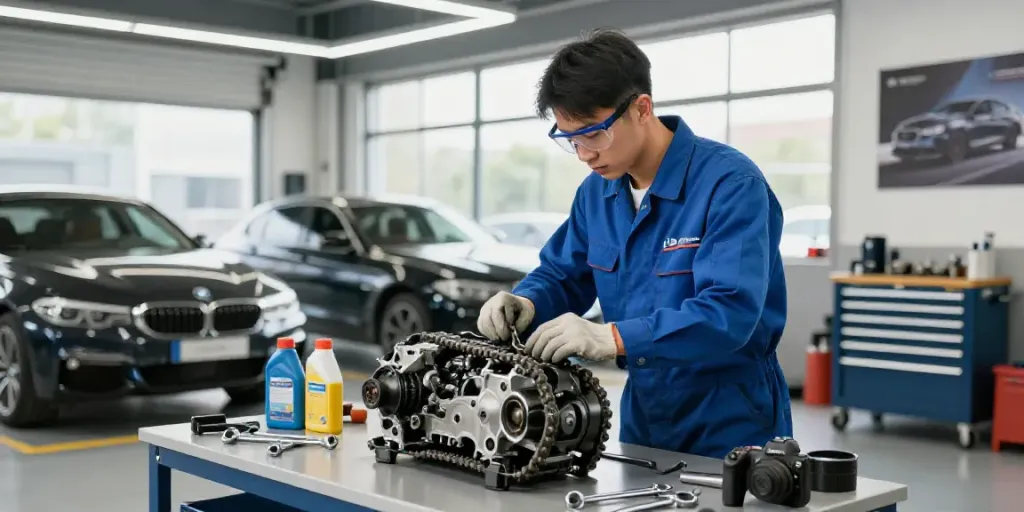
The timing chain is a metal chain that connects the crankshaft and camshaft in an engine, ensuring that the engine's valves open and close at the correct times during each cylinder's intake and exhaust strokes. This synchronization is crucial for optimal engine performance, power generation, and fuel efficiency. Timing chains are typically made from reinforced metal links and are located inside the engine, making them less accessible than timing belts.
Importance of Timing Chain Maintenance
Regular maintenance of the timing chain is paramount. Failure to maintain it can lead to various engine issues, including poor performance, increased emissions, and potentially catastrophic engine damage. Unlike timing belts, which require replacement at set intervals, timing chains are designed to last longer but can still stretch or wear out over time, especially in high-mileage vehicles. Regular inspections and timely replacements can help mitigate the risk of engine failure.
Common Problems with BMW Timing Chains
BMW engines can experience several common issues with timing chains, including:
- Chain Stretch: Over time, the chain may stretch due to wear, leading to timing misalignment.
- Worn Tensioners: The tensioners that keep the chain taut can wear out, causing the chain to become loose.
- Oil Sludge Build-Up: Poor maintenance can lead to oil sludge, which affects the lubrication of the chain and its components.
Signs Your BMW Needs a Timing Chain Replacement
Recognizing the signs that indicate your BMW may need a timing chain replacement is crucial for preventing costly repairs. Here are some key indicators:
Warning Sound Indicators
Many drivers report hearing a rattling noise from the engine when the timing chain is loose or worn. This noise often resembles a metallic clattering sound, especially during startup or idling. If you hear these sounds, it’s essential to have your vehicle inspected immediately.
Engine Performance Issues
A failing timing chain can lead to diminished engine performance. You might notice issues such as reduced acceleration, engine misfires, or difficulty starting the vehicle. If your BMW exhibits any of these symptoms, consider getting a professional evaluation.
Visual Inspection Techniques
In addition to sound and performance problems, a visual inspection can also reveal timing chain issues. Look for signs of oil leaks from the engine or damaged components around the timing chain cover. If you have access to your vehicle's engine, you can also check the tensioner and chain for wear.
Cost Factors in BMW Steuerkette Replacement in Hannover
The cost of replacing a timing chain can vary significantly based on several factors. Understanding these cost elements can help you budget effectively for this essential maintenance task.
Labor Costs: What to Expect
Labor costs usually represent a substantial portion of the total expense for a timing chain replacement. Typically, this can range from €600 to €1200 depending on the complexity of the job and the hourly rates of the mechanic or workshop you choose. Given that replacing a timing chain often requires disassembling significant engine components, this process can be labor-intensive.
Parts and Material Prices
The cost of parts can also vary significantly. A new timing chain along with necessary components such as tensioners, guides, and gaskets will typically cost between €200 and €600. It’s wise to use OEM (original equipment manufacturer) parts for optimal performance and longevity.
Hidden Costs to Consider
When budgeting for a timing chain replacement, it’s essential to account for any potential hidden costs. This can include additional repairs needed to address collateral damage caused by a failing timing chain, such as damaged valves or other engine components. Always get a detailed estimate before proceeding with repairs.
Choosing the Right Service Provider in Hannover
Selecting a highly qualified service provider for your BMW’s needs can make a significant difference in the quality of service and overall satisfaction. Here’s how to choose wisely.
Evaluating Mechanic Qualifications
Ensure that the mechanic or service center you choose has specific experience working with BMW vehicles. Certifications such as ASE or manufacturer-specific training can be indicators of a qualified technician.
Importance of Customer Reviews
Customer reviews can provide valuable insight into the quality of service provided by a mechanical shop. Look for testimonials regarding their experience with timing chain replacements, overall customer satisfaction, and the shop's reliability.
Warranty and Service Guarantees
Reputable service providers should offer warranties on both parts and labor. A warranty can provide peace of mind, ensuring that if issues arise post-replacement, you have coverage for the repairs.
Future Trends in BMW Timing Chain Technology
The future of timing chain technology in BMW vehicles is evolving, with innovations aimed at enhancing performance and durability.
Innovations in Timing Chain Engineering
Future designs of timing chains may incorporate advanced materials that reduce wear and enhance strength, providing longer intervals between replacements. Manufacturers are continuously exploring ways to improve the efficiency of these components.
Impact of Electric Vehicles on Timing Chains
As BMW shifts towards electric and hybrid vehicles, the role of timing chains will change. With fewer traditional combustion engines, the emphasis may shift towards electric powertrains that do not require timing chains, fundamentally altering maintenance practices.
Predictions for BMW Maintenance Practices in 2026
Looking ahead to 2026, maintenance practices for BMW vehicles will likely adapt to incorporate more advanced diagnostics and telematics, allowing for proactive maintenance schedules. This could enhance the reliability and longevity of critical components like timing chains, shifting the focus from reactive repairs to preventative maintenance.
How much does it cost to replace a BMW timing chain?
The cost can vary widely, typically falling between €800 and €2000, depending on the model and the extent of the work needed.
Which BMW engines are known for timing chain issues?
Engines such as the N20, N43, and B47 have been known to exhibit timing chain problems, often due to design flaws or manufacturing issues.
How often should the timing chain be replaced?
While timing chains are designed to last longer than belts, they still require checking at regular intervals. Most manufacturers recommend inspection every 100,000 to 150,000 km.
What are the signs that my BMW timing chain needs to be replaced?
Indicators include unusual noise from the engine, performance issues, and check engine lights related to timing chain malfunctions.
Is it safe to drive with a failing timing chain?
Driving with a failing timing chain can lead to severe engine damage. It is best to address any issues immediately to avoid catastrophic failures.