
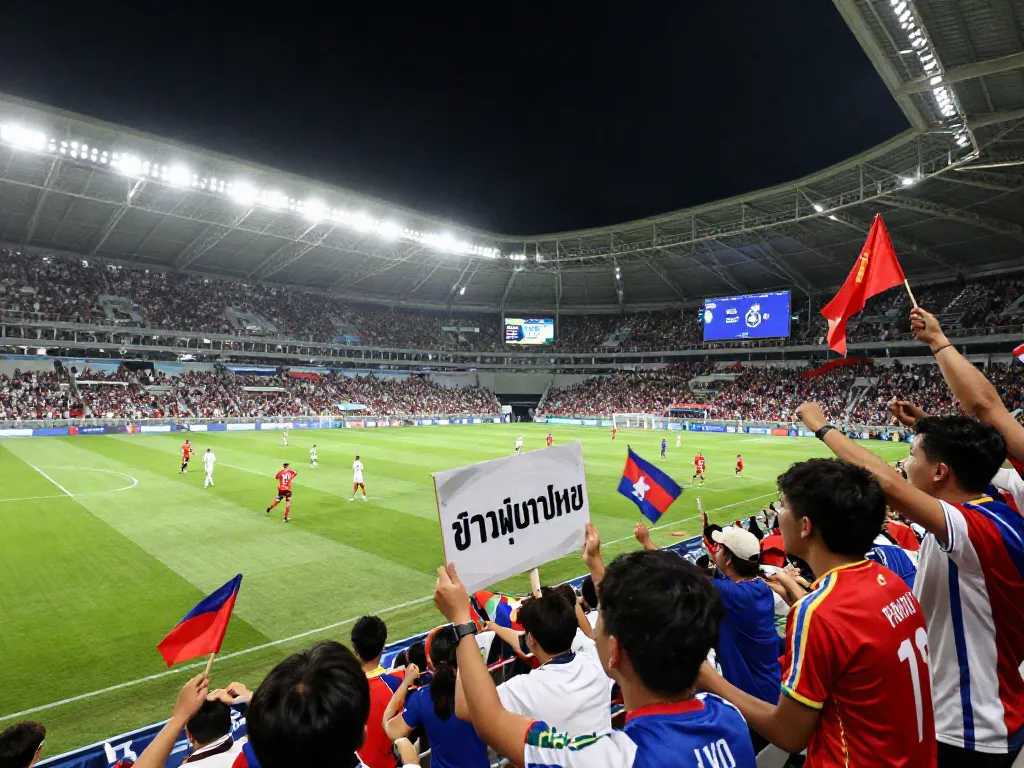
The Current State of Thai Football
Thai football has rapidly evolved over the last few years, transforming not only in terms of talent but also in infrastructure and fan engagement. As we step into 2026, numerous developments have captured the spotlight, including rising domestic leagues and international accolades. When exploring options, ข่าวฟุตบอลไทย offers comprehensive insights into the latest happenings and future prospects.
Recent Achievements of Thai Teams
The achievements of Thai teams in both domestic and international competitions have showcased the nation's growing prowess in football. One notable milestone includes the performance of the Thai national team in the AFF Championship, where they reached the semifinals, demonstrating their capability to compete with the region's elite. Furthermore, clubs like Buriram United and Chonburi FC have marked their territories in the ASEAN Football Club Championship, bringing home prestigious trophies that reflect years of hard work and development.
Challenges Facing Thai Football in 2026
Despite the progress, challenges remain. Limited funding and sponsorship opportunities hinder the growth of clubs across various levels. Additionally, the gap between the top teams and those lower in the league structure needs addressing to ensure competition remains fierce. Youth academies need strengthening to foster future talents who can contribute on the international stage. The continuous development of grassroots programs is essential to build a sustainable football ecosystem.
The Role of Youth Development Programs
Youth development programs are crucial for fostering the next generation of football stars in Thailand. These initiatives focus not only on improving technical skills but also on instilling the right mindset among young athletes. Many clubs are now investing in their academies, providing state-of-the-art facilities and coaching staff to nurture talent from a young age. The recent successes of players graduating from these programs into professional leagues serve as a testament to their importance.
Key Players to Watch in 2026
The landscape of Thai football is rich with talent, and 2026 promises to unveil numerous exciting players who will influence the game both locally and internationally.
Rising Stars in Thai Football
Several young players have emerged as key figures in the Thai football scene. Among them, players like Suphanat Mueanta and Ben Davis have shown exceptional skill on the pitch, attracting attention from both domestic clubs and international scouts. These rising stars have the potential to not only elevate their respective teams but also make significant contributions to the national team in future tournaments.
Impact of Experienced Players
While youth is vital, experienced players also play a critical role in shaping team dynamics. Veteran players like Teerasil Dangda bring invaluable experience to the squad, mentoring younger talent and providing leadership on the field. Their understanding of high-pressure situations and tactical awareness can greatly influence the outcomes of crucial matches.
Player Transfers and Market Trends
The transfer market in Thai football is witnessing a dynamic shift as clubs look to strengthen their squads. Notable transfers often attract media attention, with clubs willing to invest heavily in both local and international talents. The trend of signing foreign players to fill specific gaps in the squad has become more prevalent, aiming to create a balanced team capable of competing at higher levels. Clubs are increasingly looking towards Southeast Asia and beyond as they seek to assemble the best possible talent.
Fan Engagement and Community Support
Fans are the heartbeat of any sport, and in Thailand, football fandom is vibrant and passionate. Engaging with supporters is crucial for clubs to thrive and sustain their success.
The Importance of Grassroots Initiatives
Grassroots initiatives are essential for fostering a new generation of football enthusiasts. Many clubs are now organizing community events and training camps to involve local youths and families, which helps build a loyal fan base. These initiatives often spark interest in local clubs and increase attendance during matches, creating a stronger community bond.
Social Media Influence on Fan Interaction
Social media has transformed how fans interact with their favorite teams and players. Clubs are utilizing platforms like Facebook, Instagram, and Twitter to engage with supporters, provide updates, and share behind-the-scenes content. This direct line of communication fosters a sense of belonging among fans and helps build a culture of support around clubs.
How Fans Shape Football Culture in Thailand
The influence of fans in shaping football culture in Thailand cannot be overstated. Passionate supporters drive the atmosphere in stadiums, create unique rituals, and contribute to the identity of clubs. Their feedback and engagement can also influence club decisions, pushing for better facilities, player signings, or strategic changes. Clubs that actively listen to their fan base tend to cultivate a more robust soccer culture.
Financial Aspects of Thai Football
The financial landscape of Thai football is continually evolving, with sponsorships and broadcasting rights playing pivotal roles in shaping the future of the game.
Sponsorship and Revenue Streams
Companies are slowly recognizing the potential of Thai football as a marketing platform, leading to increased sponsorship deals. These partnerships not only provide financial backing but also enhance the visibility of the clubs involved. As more brands align with football clubs, it is crucial for clubs to maintain transparency and build strong relationships to ensure mutual growth.
Impact of Broadcasting Rights
Broadcasting rights have become a lucrative source of income for football clubs in Thailand. As digital platforms and traditional broadcasters compete for viewership, clubs are positioned to negotiate better deals that can significantly enhance their financial stability. The availability of matches online has also broadened the audience, allowing fans from around the world to engage with Thai football.
Economic Factors Influencing Team Budgets
Economic fluctuations can have a significant impact on team budgets and overall performance. The ability of clubs to manage finances effectively in periods of economic change is crucial for survival. Financial literacy and strategic planning have become essential components for football clubs in Thailand, helping them identify sustainable paths for growth.
Future Trends to Anticipate
The future of Thai football is filled with potential and inevitable changes as the sport continues to mature. Here are some key trends to keep an eye on.
Technological Advancements in Training
Technological advancements in training methods are changing how players prepare for competitions. With tools like data analytics and virtual reality, coaches can create tailored training programs that address specific player needs. These technologies also aid in injury prevention and recovery, allowing players to perform at their best.
Changes in Game Strategies and Tactics
The style of play within Thai football is evolving, with an increasing emphasis on tactical flexibility and adaptability. Coaches are now more willing to incorporate varied game strategies that enhance the attacking or defensive capabilities of teams. The adoption of these new tactics can be seen in both local leagues and the national team.
The Evolution of the Football Calendar
As footballing commitments grow, the football calendar may undergo changes to accommodate international fixtures, league matches, and player wellbeing. Clubs will need to adapt their preparation and training schedules to ensure players can perform consistently while managing fatigue.
What is the future of the Thai National Team?
The Thai national team’s future looks promising, with emerging talents and a strong support system propelling them towards greater achievements. Regular exposure to international competitions will be crucial for their development and success on the world stage.
What are the primary challenges for Thai football today?
Key challenges include infrastructure development, financial stability, and sustaining competitive levels in both local and international contexts. Addressing these challenges holistically will determine the future successes of Thai football.
How do transfer trends affect local talent?
Transfer trends can open opportunities for local talent by creating spaces within teams. However, they can also limit playing time if foreign players dominate the squad. Clubs need to find the right balance to ensure that local players have the chance to develop.
What role does technology play in football training?
Technology plays a crucial role in modern training regimes, providing insights that help enhance athletic performance and tactical understanding. It aids in monitoring player fitness and adapting training schedules accordingly.
How can fans contribute to the growth of Thai football?
Fans can contribute significantly by supporting local clubs, participating in grassroots initiatives, and engaging with clubs on social media. Their involvement creates a supportive environment that encourages investment and growth within the sport.